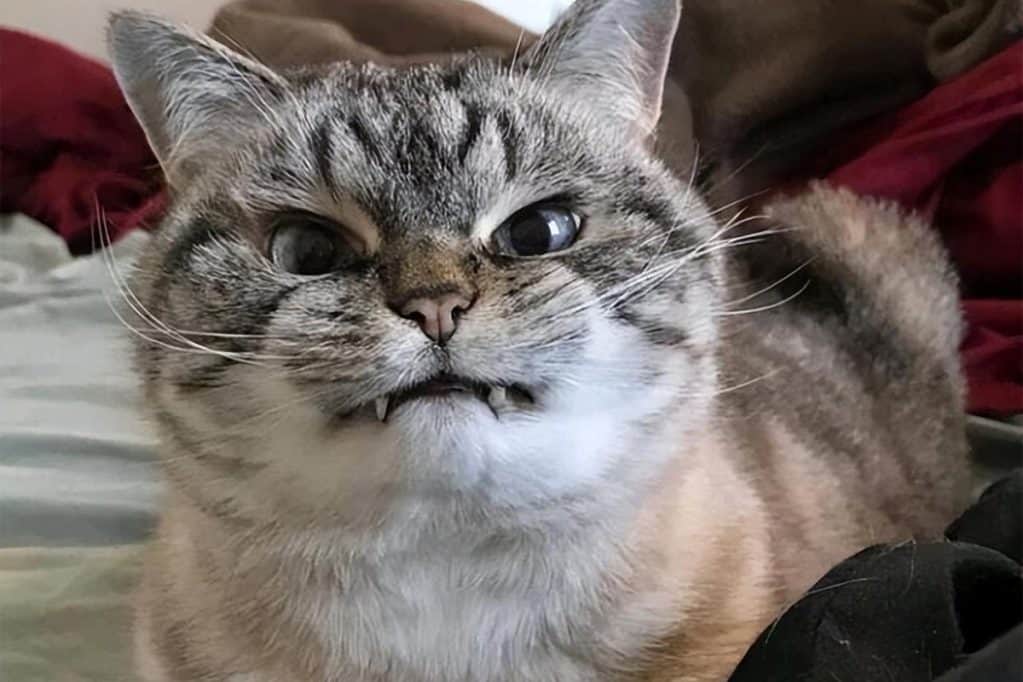
Cats cannot communicate with us in words, but they are natural masters of body language. When they feel stressed, sad, or irritable, subtle changes in behavior are "SOS signals" sent to their owners. Identifying these signs is the first step for every responsible owner to maintain their cat’s well-being. Today, BoryPet will help you decode your cat's emotional secrets and share how to help them find joy again.
Identifying the Signals: 8 Signs Your Cat is Unhappy
A cat’s expression of negative emotions can be subtle or highly cautionary. Watch for these changes:
Airplane Ears: If a cat’s ears are flat or pinned back, it usually means they are angry, scared, or feel threatened.
Tail Thumping: A tail thumping forcefully against the ground isn't a sign of play; it’s a signal of annoyance and anger. Avoid forced interaction.
Raised Fur (Piloerection): Fur standing up along the spine is a sign of defense, indicating they are in a state of extreme unease or frustration.
Vocal Warnings: Growling, low hissing, or spitting are clear "back off" signals, indicating they need solitary space.
Increased Hiding: Frequent hiding under the bed or in closet corners suggests something in the environment is causing them stress.
Appetite Fluctuations: A stressed cat might suddenly lose their appetite or, conversely, seek comfort through overeating.
Grooming Changes: Stopping self-cleaning leads to messy fur, while over-grooming a specific spot until bald is a danger sign of psychological pressure.
Loss of Interest: Ignoring favorite toys, sleeping all day, and showing no response to the owner’s calls.
Healing Solutions: How to Help Your Cat Recover Their Mood?
Once you confirm your cat is in a bad mood, you can rebuild their sense of security through these 8 methods:
Provide Ample Independent Space: When a cat is frustrated, forced hugs will backfire. Let them cool down in their favorite quiet corner.
Gentle Verbal Comfort: Although they don't understand words, they recognize low, soft, and friendly tones, which helps relieve tension.
Food Therapy: A spoonful of their favorite canned food or high-quality treats is excellent comfort, quickly boosting their mood through taste.
Catnip Assistance: For most cats, catnip acts as a nerve relaxant and distraction, helping to soothe stress.
Restrained Physical Contact: If the cat allows, gently pet under the chin or behind the ears. Stop immediately if you notice muscle twitching or flinching.
Maintain a Consistent Routine: Cats hate surprises. Stick to daily schedules for feeding, play, and cleaning the litter box; routine provides great security.
Create a Safe Haven: Prepare a cozy bed, a high perch, or a cardboard box. Cats love to oversee their environment from high or hidden places.
High-Quality Interactive Play: 15 minutes of daily play with a feather wand or laser pointer lets them release excess energy and avoid depression from boredom.
Expert Tip: Patience is the Best Medicine
Every cat is different, and a healing method that works for one might not work for another. Be patient and observe their feedback. The core goal is to make the environment feel safe and predictable again.
If your cat’s low mood persists for more than a few days or is accompanied by physical abnormalities, please contact a vet. Sometimes, being "unhappy" is a signal of physical discomfort or hidden illness.
Professional Choice for Long-lasting Freshness
A clean, hygienic, and low-dust toilet environment is a vital foundation for a cat's routine life. Through scientific observation and careful care, you can build a happy home paradise for your beloved cat.
Building Competitive Advantage: A Stable Supply Chain Partner
"Building a successful cat litter brand requires more than just a great product; it demands a stable, professional, and market-savvy supply chain partner. BoryPet is dedicated to transforming China’s finest mineral resources and leading manufacturing processes into your competitive edge in the global market."


 English
  简体中文
简体中文  Español
  Bahasa Melayu