Have you ever calculated how much "tuition" you’ve paid in the name of love? From luxury beds to trendy supplements and overpriced snacks, many owners think they are pampering their cats when they are actually falling for marketing cash grabs. Today, we strip away the marketing fluff and use data and behavioral logic to dismantle 5 expensive yet useless cat products.
Nutritional Paste: A "Palatability Killer" in Disguise
Many beginners view nutritional gels as essential supplements for immunity. However, a close look at the ingredient list reveals:
High Fat & Sugar: Most nutritional pastes consist primarily of fats (maltodextrin, vegetable oils) and syrups—essentially "energy concentrates."
Nutritional Overlap: High-quality complete cat food already provides a balanced ratio of vitamins and minerals. According to NRC (National Research Council) standards, a healthy cat meets all its needs through proper meals; over-supplementing can lead to fat-soluble vitamin toxicity.
The Palatability Trap: Their core competitiveness lies in flavor enhancers. Long-term feeding can cause cats to lose interest in plain, healthy food.
A Better Solution: One $12 tube of paste ≈ 10 lbs of fresh chicken breast. Redirect this budget to boiled chicken or egg yolks to provide direct, natural, high-quality animal protein.
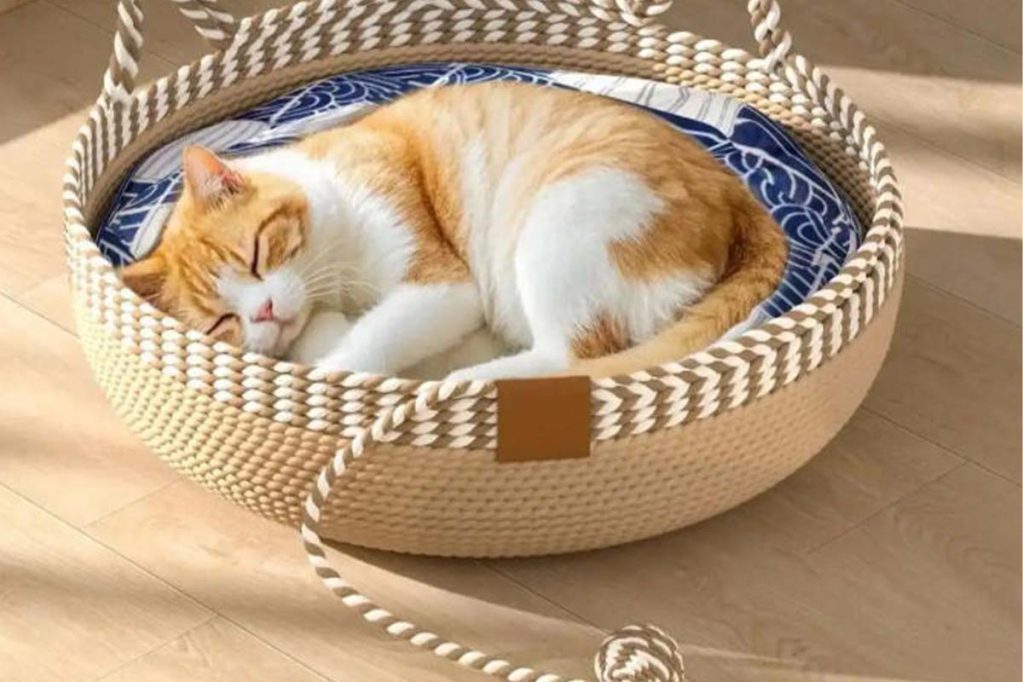
Luxury Cat Beds: Expensive Fur Collectors
Nordic-style or castle-themed beds may look beautiful, but in a cat's eyes, they rarely beat a simple cardboard delivery box.
The Security Logic: Felines naturally prefer narrow, enclosed spaces. Cardboard boxes provide a sense of "snugness" that helps lower a cat’s cortisol (stress hormone) levels.
Hygiene Issues: Complex fabric structures easily harbor bacteria and dust mites and are notoriously difficult to wash and dry thoroughly.
A Better Choice: 瓦楞纸猫抓板窝是性价比之王。它满足了猫磨爪、睡眠、躲避的三大天性。对于猫咪来说,“安全感 > 设计感”。
Hairball Relief Paste: The Oily Intestinal Trap
Many owners panic when they see a cat dry-heaving and reach for hairball paste. However, most commercial pastes rely on mineral oil or petrolatum to lubricate the intestines, which can interfere with the absorption of fat-soluble vitamins over time.
Natural Alternatives: Cat grass (wheat seedlings) provides natural fiber to stimulate intestinal motility.
The Power of Lecithin: Lecithin found in egg yolks helps emulsify the fats in hairballs, allowing them to pass more easily through the stool.
Physical Prevention: Brushing your cat for 5 minutes daily can reduce the amount of loose fur ingested by 80%.
The Price Gap of Kitten and Prescription Food
Brands often create a massive price gap between "specialized" kitten food and adult food, but the nutritional truth is often simpler:
Standard Consistency: If a food meets AAFCO "All Life Stages" standards, its crude protein and fat levels typically cover a kitten's needs (e.g., crude protein ≥ 36%, crude fat ≥ 18%).
The Real Pain Point: The core requirement for kittens or cats with urinary issues isn't a "special kibble," but moisture.
Dry Food Moisture: Approx. 10%
Wet Food/Canned Moisture: 75% – 82%
Suggestion: Investing in overpriced prescription food is often less effective than encouraging hydration through water-added canned food or fountains. Adequate hydration is the foundation for preventing 90% of urinary tract diseases.
Frequent Bathing: A Killer of the Skin Barrier
Cats spend approximately 150 minutes a day self-grooming; their skin has a natural layer of protective oils.
pH Imbalance: A cat’s skin pH is approximately 7.0 - 7.5, while human skin is around 5.5. Frequent bathing or using improper shampoos destroys this acid-base balance, leading to fungal infections (ringworm).
The Stress Risk: The intense stress caused by bathing can trigger latent Hypertrophic Cardiomyopathy (HCM)
Conclusion: Never bathe a cat unless absolutely necessary. Use pet wipes for localized dirt. Save your bathing money for annual cardiac ultrasounds—that is true responsibility.
Quality is about scientific logic, not piling up money. Stop falling for "intelligence taxes." Save that money for higher-quality meat sources or a dedicated "pet medical fund."

 English
  简体中文
简体中文  Español
  Bahasa Melayu