In an indoor environment, cat litter is more than just a bathroom—it is the core of home air quality and feline health. Many owners struggle with "proper litter depth" or "inappropriate urination." As a professional supply chain expert, BoryPet has summarized this practical guide to help you create a clean and comfortable space.
Scientific Setup — How Deep Should the Litter Be?
There is no "one-size-fits-all" rule. The most scientific approach is to adjust based on cat behavior, box type, and litter material.
Adjusting by Burying Habits
"Deep Diggers": These cats love to dig extensively and bury deep. We recommend a thickness of 8-10 cm. Sufficient depth ensures waste is fully encapsulated, preventing odor leakage and sticking to the bottom.
"Quick & Casual" Cats: Some cats leave immediately without burying. For them, a depth of 3-6 cm is sufficient to reduce waste and ease cleaning.
Adjusting by Litter Box Type
Enclosed Boxes: These provide more privacy. We suggest slightly more litter to help control odor within the confined space.
Open Trays: Avoid overfilling (keep it under 7 cm) to prevent litter from being kicked out during digging, keeping your floors tidy.
Adjusting by Material Characteristics
Fine Granules (e.g., Bentonite): High clumping efficiency. A depth of 5 cm is usually enough for effective waste capture.
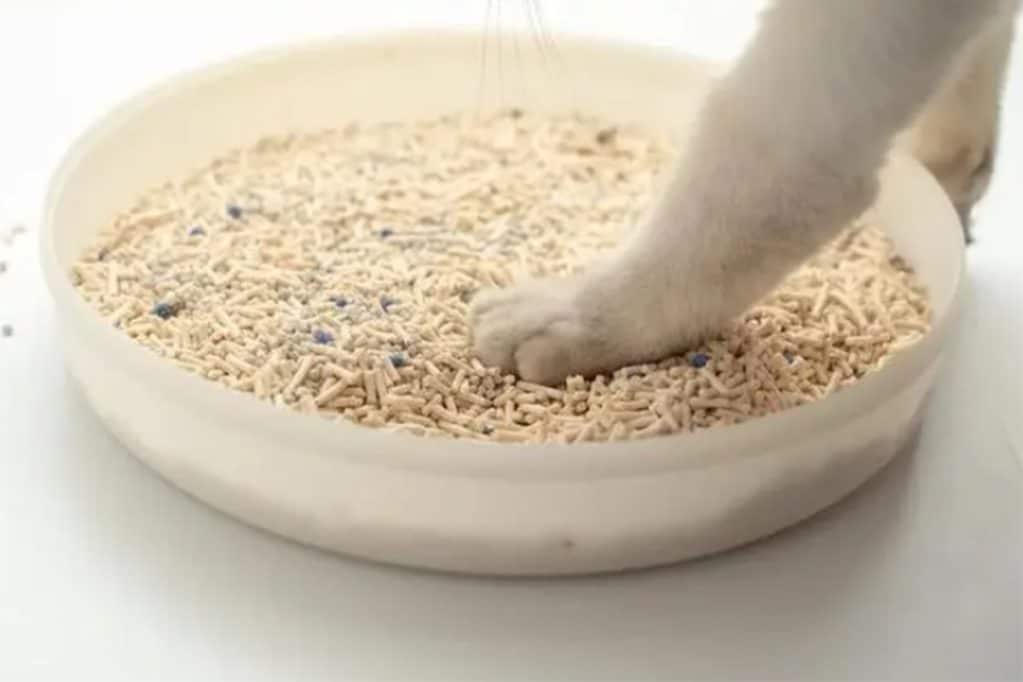
Coarse/Plant-based (e.g., Tofu, Cassava): We recommend 6-10 cm. A thicker base provides a better paw feel and prevents liquid from reaching the bottom.
Behavioral Guidance — How to Train Your Cat to Use the Litter Box?
If your cat (especially kittens or newly relocated cats) shows resistance, try the "Expert 3-Step Method":
Environment Setup (Privacy & Safety)
Cats naturally require a sense of security when eliminating. Please prepare a suitably sized litter box (we recommend choosing BoryPet’s low-dust series) and place it in a quiet, secluded, but easily accessible corner.
Scent Identification & Monitoring
Monitor Signs: When you notice the cat sniffing the floor frequently or circling in place, quickly place them into the litter box. Repeat this process several times until the cat establishes the "Box = Bathroom" connection.
Scent Induction: Mix a small amount of old litter containing the cat's own scent into the new litter. This "scent landmark" helps the cat quickly identify the box as the designated area for elimination.
Positive Reinforcement & Consistency
When the cat successfully uses the box, provide appropriate verbal praise or small treat rewards immediately to reinforce the behavior.
Expert Maintenance Tips — Core to Improving Success Rates
Adhere to the "Low-Dust" Principle: A cat’s respiratory system is extremely sensitive. If you find your cat reluctant to enter the box, it may be due to heavy dust causing discomfort. Choosing BoryPet 99.9% Dust-Free Series can significantly improve cat acceptance.
Maintain Material Stability: Once your cat is accustomed to a specific material (such as Bentonite or Tofu), avoid frequent changes. If a switch is necessary, use the "7-Day Transition Method" to gradually mix in the new litter to avoid behavioral regression caused by stress.
Scientific cat litter management not only saves cleaning time but also prevents feline urinary tract diseases. As a B2B partner, sharing these professional tips with your retail customers will enhance brand loyalty and drive product repurchase rates.


 English
  简体中文
简体中文  Español
  Bahasa Melayu