In a cat's life, cat litter is the essential item they contact most frequently every day. These seemingly insignificant granules actually have a profound impact on a cat's respiratory system, skin, and even internal health. Many new owners use price as the only criterion, unaware that the "chronic damage" caused by low-quality litter far exceeds expectations.
The Dust Killer: A Dual Threat to Respiratory and Urinary Systems
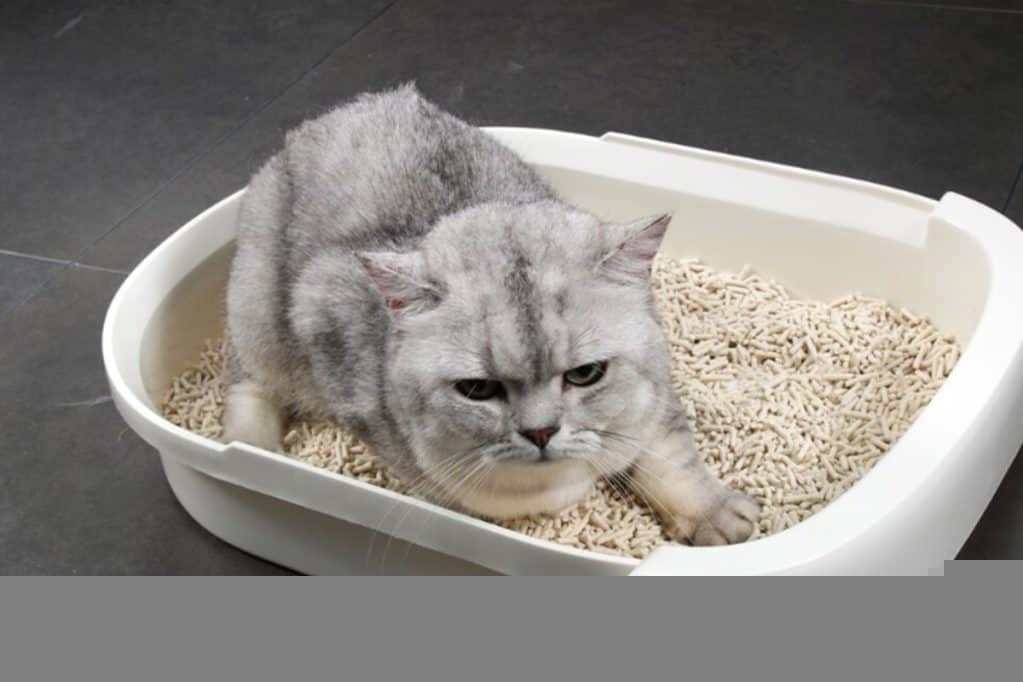
Dust is the most visible flaw of low-quality litter. When a cat digs or buries waste, a large amount of fine dust rises instantly. For short-nosed breeds like Persians or British Shorthairs, this dust directly irritates the nasal passages and trachea, causing frequent sneezing, coughing, watery eyes, or even asthma. Beyond respiratory risks, dust attaches to the cat's fur and enters the digestive tract during self-grooming, potentially leading to intestinal blockage over time. A more hidden risk is that extremely fine dust combined with urine can form micro-crystals at the urethral opening; for male cats, this significantly increases the risk of urinary frequency, pain, or even full urethral blockage.
The Formaldehyde Killer: Carcinogens Hidden in Chemical Clumpers
To lower costs, some manufacturers of low-quality litter use recycled waste wood chips or even add industrial glues as strong clumping agents. These materials often contain excessive levels of formaldehyde. Because cats are small and have sensitive metabolisms, long-term exposure to high-formaldehyde environments causes immediate damage to their mucous membranes and skin. Formaldehyde not only causes dry, itchy skin and rashes but is also an internationally recognized carcinogen. Long-term inhalation of formaldehyde gas leads to a continuous decline in immunity and chronic respiratory damage. BoryPet Expert Advice: Check for non-toxic certifications to ensure the first line of defense for your pet is the purity of ingredients.
The Bacteria Killer: A "Pathogen Breeding Ground" Lacking Antibacterial Properties
High-quality litter must not only clump well but also possess excellent antibacterial properties. Low-quality litter usually lacks effective antibacterial factors; once waste remains, E. coli and mold multiply rapidly, releasing irritating ammonia gas. This not only causes the litter box to smell foul quickly but also threatens the health of elderly people, children, or immunocompromised family members through cross-infection risks. When the litter box becomes a breeding ground for bacteria, every visit by the cat poses a hygiene risk to the entire family.
Professional Choices for Worry-Free Protection
The dangers of dust, formaldehyde, and bacteria in low-quality litter are no small matter. Instead of paying expensive medical bills after a cat falls ill, it is better to choose a high-quality litter with pure ingredients, high-efficiency de-dusting, and superior antibacterial performance from the start.


 English
  简体中文
简体中文  Español
  Bahasa Melayu