The 7–10 days following surgery are the golden period for wound healing. During this stage, a cat’s body is weak, and surgical incisions are highly vulnerable to bacteria and foreign objects. As an item cats contact daily, cat litter’s dust level and hygiene directly affect the probability of post-operative infection.
Top Recommendations: Three High-Safety Litter Types
During the sensitive post-surgery period, the core criteria for choosing litter are ultra-low dust and pure ingredients.
Medical-Grade Dust-Free/Low-Dust Bentonite Litter:
Pros: High-quality bentonite (such as BoryPet’s High-Montmorillonite series) undergoes multi-stage de-dusting. The extremely low dust rate reduces wound irritation caused by airborne particles.
Expert Tip: Cats are most familiar with the texture of mineral sand. Using a familiar litter helps reduce post-surgery stress.
Eco-Friendly Paper Pellet Litter:
Pros: Paper litter is usually made from recycled pulp and is virtually "zero dust." The granules are soft with no sharp edges, ensuring that even if the wound touches the litter while the cat is squatting, there is no secondary scratching.
High-Starch Plant-Based Litter (e.g., Cassava Litter):
Pros: Cassava litter has natural instant clumping abilities and is completely dust-free. it effectively encapsulates waste to prevent urine from splashing onto the wound.
Reminder: Be sure to choose a non-sticky formula to ensure granules do not adhere to the sutures around the wound.
Post-Surgery Taboos: Litter Types to Strictly Avoid
For the safety of the wound, the following types of litter should be paused during recovery:
Regular Mineral and Crystal Litter: Low-quality mineral sand has high dust levels that easily stick to unhealed wounds. Crystal litter has sharp edges that can cause friction against the incision during movement.
Inferior Pine Litter: Some low-end wood litters release sawdust dust when damp and may contain chemicals like formaldehyde, posing a threat to a fragile post-surgery immune system.
Scientific Setup and Maintenance of the Litter Box
The cleanliness of the post-surgery environment determines the speed of recovery:
Increase Cleaning Frequency (Twice Daily): To eliminate bacterial growth, maintain a scooping frequency of at least twice a day during the recovery period. A clean environment is the first barrier against urinary tract infections.
Use Shallow Layering (Approx. 5cm): Properly reducing the thickness of the litter can reduce the resistance when the cat digs, avoiding excessive force that might pull on the stitches.
Optimize Spatial Accessibility: It is recommended to use a low-entry "open" litter box placed near the cat’s resting area to reduce the frequency of jumping or long-distance walking.
Comprehensive Post-Surgery Care Advice
Beyond choosing the right litter, these care details are also vital:
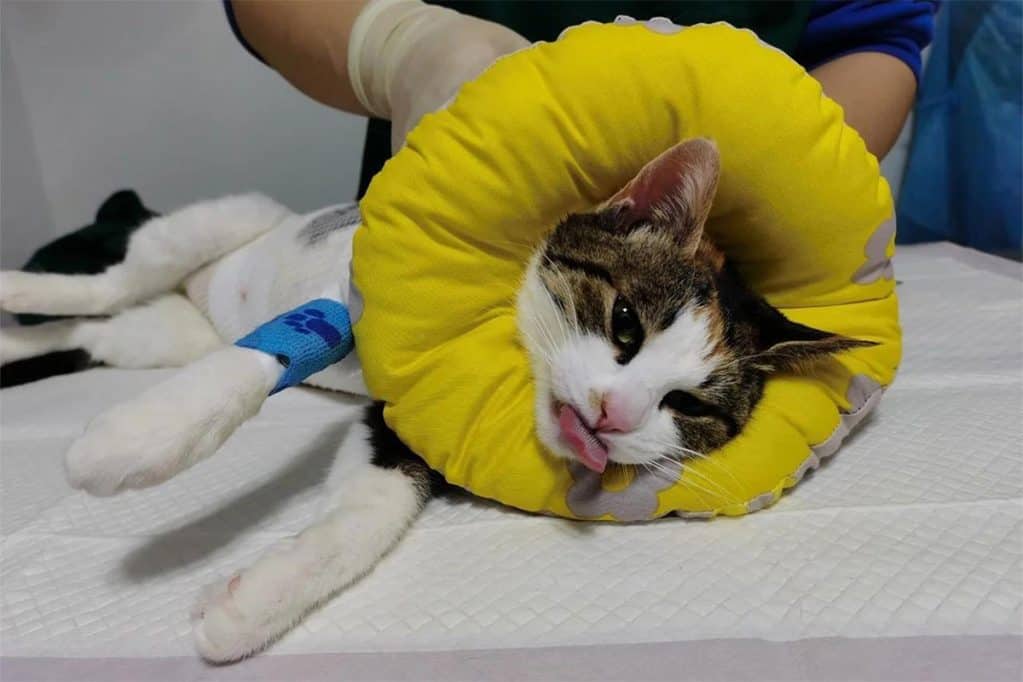
Wear an Elizabethan Collar (Cone): This is the physical "safety bolt" to prevent cats from licking, biting, or scratching the wound.
Limit Strenuous Activity: For the first 5 days post-surgery, cats should be prohibited from running or jumping.
Keep the Wound Dry: No bathing for at least two weeks. If litter sticks to the paws or fur, use a piece of medical gauze dipped in warm water to gently wipe it off. Do not rinse the wound area directly with water.
Professional Choices for Worry-Free Protection
Choosing a high-quality, dust-free cat litter is not just about improving comfort; it is about building a dust-free, antibacterial barrier for recovery. By optimizing these details, we can significantly reduce the risk of complications and help your cat return to a vibrant life quickly.


 English
  简体中文
简体中文  Español
  Bahasa Melayu