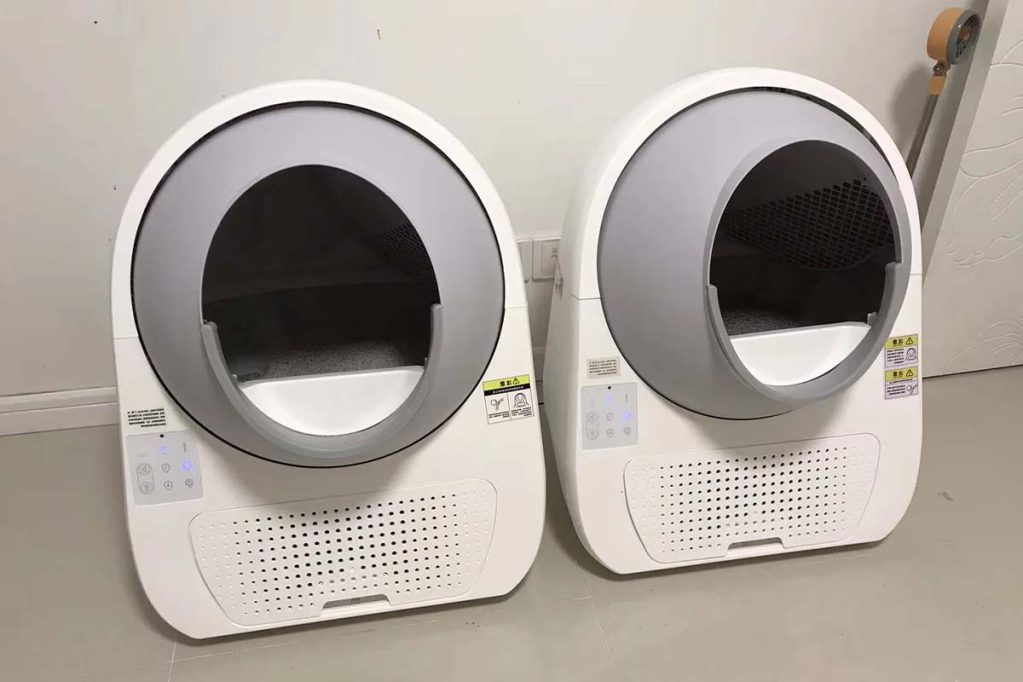
If you are tired of the daily "scooping" routine, an electric self-cleaning cat litter box (smart litter box) undoubtedly sounds like a perfect solution. With the rapid development of pet technology, these devices have moved from luxury items to common household products. But is it truly a "life-saver" or just a "tech gimmick"? BoryPet combines real-world testing with user feedback to analyze the pros and cons of electric litter boxes.
Core Advantages: Why is it Called the "Owner's Savior"?
Extreme Convenience and Efficiency: The machine automatically senses the cat’s status after use and cleans up, concentrating the waste for easy disposal. This is the top choice for busy professionals, frequent travelers, or multi-cat households to save time and optimize quality of life.
Smart Health Monitoring: Most high-end electric litter boxes feature an APP that records the frequency, duration, and weight fluctuations of the cat's visits. This data serves as a vital early reference for detecting urinary system diseases, digestive issues, or stress reactions.
Efficient Odor Management: Compared to open litter boxes, electric versions are usually equipped with activated carbon filters, UV sterilization, or ion deodorization systems, which effectively lock odors within the waste compartment.
Long-term Cost Optimization (Litter Saving): The automatic screening mechanism accurately separates clumps, reducing the waste of healthy litter often lost during manual scooping. Choosing high-quality litter that clumps tightly and doesn't stick (like BoryPet High-Performance series) ensures smoother machine operation and less residue.
Potential Drawbacks: Risks and Hassles You Must Know
High Initial Investment and Maintenance: Beyond the expensive machine price, consumables such as specialized trash bags and deodorizing liquids are ongoing expenses.
Specific Cat Restrictions: Kittens weighing too little (under 1.5–2kg) may not be accurately identified by safety sensors, posing a significant risk. Additionally, it is not recommended for cats prone to soft stools, as liquid waste can easily stick to the rotating drum or filter, making cleaning a "disaster."
Safety Concerns: Although multi-stage infrared detection and weight sensors are now standard, mechanical structures still harbor potential risks of jamming or failure. Choosing leading brands with complete safety certifications is crucial.
Deep Cleaning Challenges: While you don't scoop daily, fine dust and bacteria still accumulate in dead corners. Some models have complex structures where a deep wash takes significantly more time than a standard litter box.
Size and Noise: Automatic litter boxes are usually bulky and occupy significant space in small apartments. The motor noise during operation may also disturb noise-sensitive cats.
Selection Tips: How to Choose Your Perfect Match?
If you decide to invest, please focus on these three points:
Safety Defense System: It must have weight sensors, infrared anti-pinch, and motor overload protection.
Internal Capacity: Large-breed cats (like Maine Coons) need spacious rotating drums, otherwise, they may hold their urine due to physical discomfort.
Ease of Cleaning: Prioritize models with simple structures and core components that can be directly washed to avoid maintenance becoming a burden.
Choose Based on Need, Not Hype
Electric litter boxes are suitable for families seeking efficiency, with sufficient budgets, and cats in stable health. However, for kittens, sick cats, or those with soft stool issues, a traditional litter box paired with high-quality, highly absorbent BoryPet litter remains a safer and healthier choice.


 English
  简体中文
简体中文  Español
  Bahasa Melayu