There is no one-size-fits-all rule for "when to change cat litter." It is influenced by cat habits, living environments, and even seasonal climates. However, timely replacement is not just about eliminating odors—it is the cornerstone of protecting the health of both cats and humans.
When Must You Completely Replace the Litter?
Instead of sticking to a rigid calendar, watch for these "SOS signals":
Low Litter Levels: When the remaining litter is less than 1/3 of its original depth (usually after 1-2 weeks), clumping performance drops significantly. Urine can easily seep to the bottom, creating a "sticky bottom" and foul odors that are hard to clean.
Specific Physiological Stages:
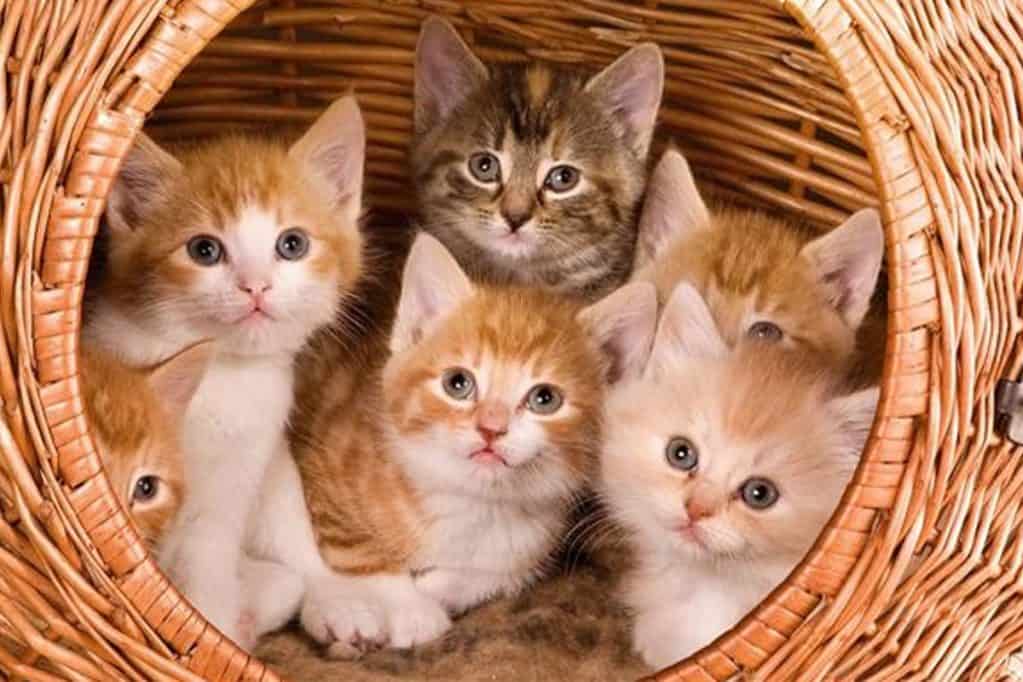
Kittens: They have high elimination frequencies and weaker immunity. We recommend partial changes every few days and a total cleanout weekly.
During Illness: If your cat has a urinary tract infection or diarrhea, replace the litter immediately to prevent bacterial reinfection.
Climate & Environment:
Hot & Humid: Bacteria multiply rapidly in high temperatures. We suggest a mandatory full change every 7-10 days.
Dry Winter: The cycle can be extended to 2-3 weeks, provided daily scooping is maintained.
Material Differences:
Bentonite (Clumping): With superior absorption, it can usually last 2-4 weeks.
Non-Clumping (Paper/Wood): Liquid seeps to the bottom; a full change every 5-7 days is recommended.
Silica Gel: Can last 3-4 weeks, but replace it once crystals turn yellow or wet spots appear (indicating saturation).
The Quality Threshold: Cheap litter is dusty and clumps break easily. If you notice the litter no longer forms solid clumps, its function has failed. Don't hesitate—discard the whole box.
Why "Lazy Cleaning" is a Dual Health Threat
A smelly litter box is more than a sensory nuisance; it hides real dangers:
Hygiene Crisis & Bacteria Factory: Damp, old litter is a breeding ground for bacteria, mold, and parasites. This is the primary reason cats develop "litter box avoidance" and start urinating elsewhere.
Respiratory & Urinary Impact:
For Cats: Every time they dig, bacteria and dust from old litter go straight to their lungs, potentially causing respiratory diseases or UTIs.
For Humans: Fine dust carrying pathogens stays suspended in the air—a major health risk for owners with allergies or respiratory issues.
Stress & Anxiety: Cats are instinctively clean. A dirty box causes them stress, leading to behaviors like scratching furniture, loss of appetite, or aggression.
Maintenance Secrets: How to Efficiently Extend Litter Life
Strict "Daily Scooping": This is the core maintenance task. Using BoryPet’s high-performance clumping litter ensures only the minimum amount of waste is removed, extending the life of the remaining litter.
Wash the Box During Changes: After discarding old litter, scrub the box with mild soap. Avoid harsh chemicals like bleach, as residual smells can irritate a cat's sensitive nose. Ensure the box is bone-dry before refilling.
The "N+1" Rule for Multi-Cat Homes: Follow the strategy of "Number of Cats + 1 box." If multiple cats share a box, a weekly full change is recommended to ensure hygiene.
A Clean Litter Box is an Expression of Love
Monitoring your cat's litter is like checking their health diary. Instead of worrying about a fixed time, trust your eyes and nose. If the litter starts to dust, smell, or your cat hesitates to step in—it’s time for a change.


 English
  简体中文
简体中文  Español
  Bahasa Melayu